12.31.25 - Preparing Your Business’s Financial Infrastructure for 2026 & Beyond
12.31.2025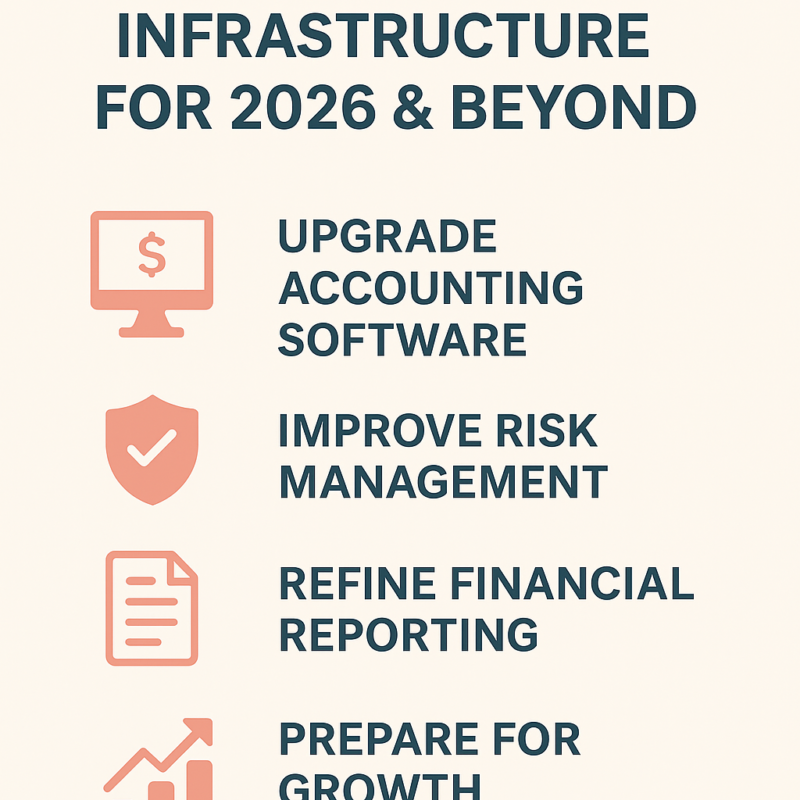
Banking in the Digital Era — Part 3 of 3
By: Rommel Cahayag, Assistant Vice President | Digital Banking Manager, TASI Bank
The next two years will be some of the most important for business owners. With interest-rate shifts, evolving compliance standards, automation trends, and rising costs, companies must build financial systems that can adapt, evolve, and stay efficient.
This final post ties together everything from interest rates to operational efficiency to digital tools — because your financial infrastructure is no longer one thing. It’s everything working together.
Here’s how to prepare your business for 2026 and beyond.
1. Start With Your Foundation: Cash Flow, Costs, & Credit
Strong financial infrastructure begins with understanding:
- Your cash-flow rhythm
- Your major recurring expenses
- Your debt structure and maturities
- Your credit needs for the next 24 months
These fundamentals help you anticipate — not react to — economic shifts.
2. Layer in Digital Tools That Reduce Friction
A strong financial system is a connected one.
Digital tools can help you:
- Automate AP/AR
- Streamline payroll
- Strengthen fraud protection
- Reduce approval bottlenecks
- Accelerate receivables
- Consolidate financial reporting
Friction kills momentum. Automation restores it.
3. Build a Risk-Ready, Fraud-Resistant Framework
Online threats are only increasing — but so are your tools.
Your 2026 risk plan should include:
- Multi-factor authentication
- Positive Pay adoption
- Separation of duties
- Transaction limits
- Alerts and monitoring
- Vendor verification processes
Resilience isn’t luck — it’s design.
4. Strengthen Your Banking Relationship Before You Need It
In uncertain environments, businesses with strong banking relationships outperform those without them.
Why?
Because they gain:
- Faster credit decisioning
- Proactive rate-reset guidance
- Account structure optimization
- Fraud-prevention support
- Strategic insights only a bank can provide
Build the relationship now — benefit from it later.
5. Create a 24-Month Business Roadmap
Your financial infrastructure is strongest when tied to a strategy.
Your roadmap should include:
- Equipment or expansion plans
- Hiring needs
- Capital expenditure timelines
- Refinancing opportunities
- Seasonal revenue expectations
- Technology investments
This roadmap becomes the blueprint for your banker to support and structure your future needs.
Actionable Takeaways
- Review debt maturities before 2026 resets begin
- Automate at least 2–3 manual financial processes
- Implement fraud controls (especially Positive Pay)
- Build a monthly cash-flow dashboard
- Establish a strong banking relationship early
- Draft a 24-month operational and capital roadmap
TASI Takeaway
Your financial infrastructure is your business’s backbone. Build it intentionally, modernize it strategically, and reinforce it with a banking partner who understands your goals — and invests in your long-term success.